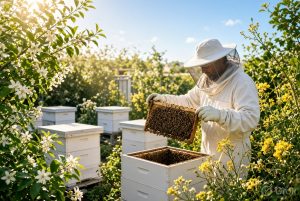
Spring Beekeeping Checklist for Sydney 2026: Avoid Swarming & Build Strong Colonies
Spring beekeeping guide for Sydney: inspection checklist, Varroa monitoring, swarm control, plus locally raised nucs for sale from Quakers Hill and raw spring honey.


 Apiary Intelligence · Colony Management · NSW Beekeeping
Understanding the compounding failure modes that drive winter losses — and why your replacement colony’s biosecurity provenance matters more than its price.
Sydney Bees · June 2026 · Hawkesbury–Nepean Corridor, NSW
Winter colony losses in temperate NSW are not a hobbyist problem or a beginner mistake. They are a structural feature of apiculture in the Hawkesbury–Blue Mountains corridor, where mild days and cold nights create the precise conditions for silent, cumulative colony failure. The hive that appears intact in April is frequently dead by July — not from a single catastrophic event, but from a cascade of intersecting deficits that compound across the brood cycle.
Understanding these failure modes precisely is not academic. It determines what you look for during winter inspections, when intervention remains viable, and — critically — what biosecurity standards your replacement colony must meet before it enters your apiary.
20–30%Estimated annual winter colony loss rate across SE Australia in post-Varroa contexts
6–8 wksWindow between diagnosable decline and irrecoverable colony collapse
Sep–OctPeak nuc demand window — quality stock exhausts before most beekeepers act
Since confirmed establishment in NSW, Varroa destructor has fundamentally altered the winter mortality calculus. A mite load that was subclinical in autumn — manageable by a healthy, numerically strong colony — becomes lethal through winter for a straightforward biological reason: as brood area contracts, mite reproduction concentrates into an ever-smaller proportion of capped cells. Mite-to-bee ratios escalate rapidly, viral titres (particularly Deformed Wing Virus) amplify, and the winter bees being produced to sustain the cluster through to spring are physiologically compromised before they emerge.
The result is a colony that enters winter with an apparently adequate population but exits it with a cluster too small and too virally damaged to rear the spring brood cohort. This presents as apparent spring dwindle — and is frequently misattributed to starvation or queen failure.
 Critical Risk If you conducted your last Varroa treatment in February or March without a post-treatment alcohol wash to confirm efficacy, your winter bees were raised under mite pressure. Those bees carry the consequence of that pressure in their fat bodies and immune systems, regardless of how the colony looks today. Confirm your current mite load before assuming the hive is viable.
Winter bees are physiologically distinct from summer bees. Elevated vitellogenin reserves in the fat body underpin their extended 6–8 week lifespan, immune competence, and capacity to generate cluster heat. This fat body development depends entirely on high-quality protein consumption during the late larval and early adult phase — specifically, pollen of sufficient diversity and quantity consumed in the weeks before winter cluster formation.
Late-season dearth in the Greater Sydney Basin is routinely underestimated. Urban and peri-urban apiary sites — including many locations along the Richmond–Kurrajong belt — experience significant pollen gaps from late March through May as native and exotic species finish their flowering cycles. Colonies that fail to accumulate adequate pollen stores during this window produce physiologically inferior winter bees, and the deficit cannot be corrected once clustering begins.
Queens produced in the peak of the previous season face a statistical reality: a proportion will fail mid-winter. This may present as a sudden cessation of brood, a laying worker situation, or simply a depleted cluster that produces no spring build-up. In a Varroa-positive environment, the risk is compounded — mite-vectored viruses including Sacbrood and Black Queen Cell Virus directly impair queen viability and supersedure success.
A colony that loses its queen in June or July, in a Varroa-positive region, cannot successfully raise a new queen. The colony is functionally dead, regardless of its current bee population.
Starvation as a standalone cause of winter loss is the most visible and the most preventable failure mode. It is also the one most frequently cited when Varroa load, nutritional deficit, or queen failure is the genuine primary cause. A colony with heavy mite load and poor fat body reserves consumes stores faster than a healthy colony — the metabolic burden of immune response and the inefficiency of a dying cluster accelerate consumption. The starvation event arrives sooner, and is larger in apparent scope, than the honey stores alone would predict.
A winter hive death diagnosed as starvation is rarely only starvation. It is the terminal expression of failures that were diagnosable weeks earlier.— Sydney Bees Apiary Notes
Conduct an alcohol wash or sugar roll now if you have not done so since your last treatment. A threshold of 2–3 mites per 100 bees in winter constitutes an active problem in a reduced-brood colony. Treatment options are constrained in winter by temperature requirements — oxalic acid vaporisation or dribble application is the primary tool for broodless or low-brood colonies and remains effective below the thresholds that limit other acaricides. Apply and re-assess at 4 weeks.
Full inspections in temperatures below 14°C risk cluster disruption and chilling of any residual brood. Heft-test weekly to gauge stores. Observe entrance activity — zero orientation flights across multiple warm days (above 14°C) in early winter indicates a colony that has already contracted to a non-viable cluster size or has queenlessness. Act early; the intervention window is short.
If stores are marginal, fondant or hard candy positioned directly above the cluster (not in an empty super distant from the bees) is the appropriate intervention. Liquid syrup feeding in winter is contraindicated in all but the warmest conditions — bees cannot evaporate the moisture content effectively, increasing humidity-related disease risk within the cluster. A 2:1 sugar fondant block positioned on the top bars above cluster centre is the correct application.
Condensation mortality is a secondary but real winter risk. Ensure ventilation is not blocked — a small upper entrance or ventilated roof configuration prevents moisture accumulation above the cluster. In the Hawkesbury–Blue Mountains corridor, where temperature differentials between day and night can exceed 15°C, condensation management is not optional. Reduce entrance size to limit cold draughts while maintaining passive airflow.
Every nucleus colony produced by Sydney Bees is drawn from hives operating under a documented, scheduled Varroa management programme. This is not marketing language. In the current NSW biosecurity environment, it is the single most consequential specification a buyer can evaluate — and the one most routinely omitted from competitor listings.
Here is precisely what documented treatment history means in operational terms:
| What We Document | What It Means for Your Apiary |
|---|---|
| Treatment dates and products applied per colony | ✓ You can verify the mite-load trajectory of the source colony, not just its appearance at point of sale |
| Pre- and post-treatment alcohol wash results | ✓ Treatment efficacy is confirmed, not assumed — critical for oxalic acid resistance monitoring |
| Queen introduction dates and provenance | ✓ You receive a colony whose queen age and introduction success are known quantities, not estimates |
| Inspection records covering AFB/EFB clinical assessment | ✓ You are not importing an undetected spore load into your apiary with your new colony |
Treatment records are available on request for any colony purchase. We recommend all buyers — regardless of experience level — request and review this documentation before completing a nuc transaction with any supplier. It is your right under biosecurity best practice, and any reputable operation should provide it without hesitation.
Biosecurity Advisory Purchasing a nucleus colony from an undocumented source in NSW’s current Varroa-positive environment carries a quantifiable risk of introducing elevated mite loads, undetected viral titres, or AFB spore contamination into your apiary. The $50–$100 price differential between documented and undocumented stock is not a saving. It is a liability transfer — from the seller to you.
Spring nucleus colony availability is confirmed for the September–February season. Pre-orders are open now. Both colony formats are drawn from the same documented, Varroa-monitored stock. The distinction is scale and intended application.
The 5-Frame Nucleus Colony is the correct entry point for hobbyist beekeepers replacing a winter loss, new hive establishment, or bee club members setting up their first colony. It includes a corflute NUC box, a mated and laying queen, and a working population of 8,000–12,000 bees across five drawn frames of brood, honey, and pollen. Seasonal availability: September through February. Pickup at Quakers Hill or Kurrajong Heights.
Price: $320.00 (inc. GST) — corflute NUC box included.
The 7-Frame Accelerated Colony is designed for operators who need a numerically superior colony from day one — whether for pollination contract deployment, rapid honey production build-up, or experienced beekeepers who understand the compounding advantage of a larger initial population. Supplied in a full wooden box with a $100 refundable deposit (returned within one week of box handback). The additional two frames of brood and population density measurably compress the timeline to surplus honey production and full-depth expansion compared to a standard 5-frame unit.
Price: $450.00 (inc. GST) — wooden box with $100 refundable deposit.
◆ Bee Club & Group Enquiries
Sydney Bees supplies nucleus colonies to bee clubs and group buyers across Greater Sydney and the Hawkesbury–Nepean corridor. If your club is coordinating a seasonal order — whether two colonies or twenty — contact us directly to discuss availability, staggered pickup scheduling, and documentation requirements to satisfy your club’s biosecurity protocols.
All treatment records and queen provenance documentation are available to club coordinators as a matter of standard practice. We understand that club purchases represent multiple apiaries and multiple biosecurity obligations, and we structure our documentation accordingly.
Nucleus colony pre-orders operate on a 50% deposit model. Full terms — including deposit conditions, cancellation provisions, force majeure biosecurity clauses, and the pickup process — are published at sydneybees.com.au/nuc-terms/. Review these before placing your order.
Availability is seasonal and finite. Spring demand in NSW consistently exceeds quality-documented nuc supply in the current biosecurity environment. Pre-orders placed in winter secure allocation ahead of the September demand peak. Orders placed in August and September are subject to waitlist conditions.
Pre-orders are open for the 2026 spring season. Varroa-monitored stock. Documented treatment history available on request. Pickup at Quakers Hill and Kurrajong Heights.
Bee club and group enquiries welcome — contact us directly for coordinated seasonal orders.
⬡
Sydney Bees · Hawkesbury–Nepean Corridor, NSW
Pickup: Quakers Hill & Kurrajong Heights · sydneybees.com.au
Spring beekeeping guide for Sydney: inspection checklist, Varroa monitoring, swarm control, plus locally raised nucs for sale from Quakers Hill and raw spring honey.
These winter beekeeping tips matter more than most Sydney beekeepers realise. Most Sydney beekeepers breathe a sigh of relief when summer ends. The swarming season
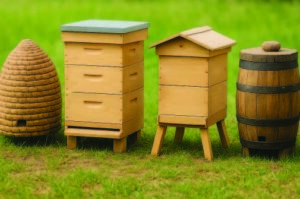
Urban beekeeping transforms city spaces into thriving ecosystems, supporting biodiversity, pollination, and local food production. From rooftops to community gardens, it reconnects people with nature while promoting sustainability and environmental awareness.
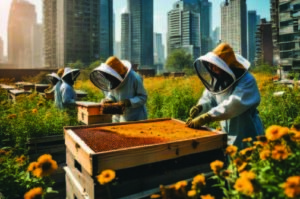
Beeswax is a versatile, natural material used in sustainable products like food wraps, cosmetics, and candles. Renewable and biodegradable, it supports eco-friendly living while highlighting the value of responsible and ethical beekeeping practices for a greener future.
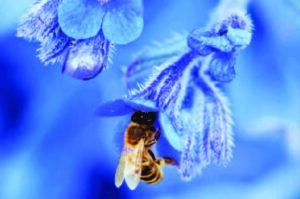
Bees are essential pollinators that support food production, biodiversity, and healthy ecosystems. Facing threats from habitat loss, pesticides, and climate change, they need our protection to ensure a sustainable future for generations to come.
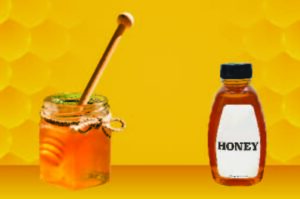
Organic honey offers richer flavor, natural nutrients, and supports sustainable beekeeping. Unlike heavily processed commercial honey, it preserves nature’s goodness while promoting healthier bees, biodiversity, and responsible agriculture.