Why Winter Matters More Than You Think
Most Sydney beekeepers breathe a sigh of relief when summer ends. The swarming season is over, the honey is in, and the hives seem quiet.


Most Sydney beekeepers breathe a sigh of relief when summer ends. The swarming season is over, the honey is in, and the hives seem quiet. But here’s the reality: what you do — or don’t do — in these winter months in June, July and August will directly determine how explosive your colonies are when spring arrives in September.
At Sydney Bees, we manage colonies across the Bilpin and greater Sydney region, and every winter we see the same pattern: beekeepers who put in the work now come spring with double the population and double the honey yield. Those who coast through winter often spend October dealing with weak colonies, emergency requeening, and lost swarm season opportunities.
Your bees cannot forage in cold weather. Everything they need to survive winter must already be inside the hive. A healthy Sydney colony heading into winter needs a minimum of 15–20kg of honey stores. Lift the back of your hive — if it feels light, your bees are in trouble.
If stores are low, feed now with a 2:1 sugar syrup (two parts white sugar, one part water). Use refined white sugar only — brown or raw sugar causes dysentery in bees. Feed in the evening to avoid robbing from neighbouring hives, and keep feeding until they stop taking it.
Pro tip from our Bilpin apiary: always check stores on a mild day (above 15°C) so the cluster isn’t disrupted. A quick heft check takes 10 seconds and could save your colony.
Small entrances in winter do two critical things: they help the bees conserve heat, and they prevent robbing from stronger colonies nearby. Reduce your entrance down to 50–75mm wide — enough for one or two bees to pass at a time.
Position hives so they face north-east to catch the morning sun. Use a windbreak — even a corrugated iron sheet staked behind the hives makes a significant difference in the Blue Mountains and Western Sydney foothills where cold westerlies can be brutal.
Check that lids are secure and watertight. Condensation inside a hive is as deadly as cold. Ventilate slightly at the top to allow moisture to escape upward without creating cold drafts through the cluster.
Remove any honey supers that are empty or near-empty. Bees spend enormous energy heating every cubic centimetre of space — don’t make them heat air. A Sydney winter colony typically needs just one brood box, with a super only if stores are substantial.
Remove the queen excluder now if you haven’t already. The winter cluster moves upward through the hive as it consumes stores — if the queen is trapped below the excluder, she’ll die from cold and starvation, and you’ll come back to a queenless hive in spring.
Varroa destructor is now widespread across NSW. Winter is an ideal treatment window — when the colony is broodless or near-broodless, oxalic acid treatments are highly effective because there’s no capped brood for mites to hide in.
A high mite load going into winter will devastate your colony. Varroa-weakened bees have shorter lifespans and the winter population can crash rapidly. Check your local DPI guidelines for approved treatments and timing.
Resist the urge to open hives when it’s cold. Below 14°C, opening a hive chills the brood and stresses the cluster. Instead, observe from the outside: a gentle hum on a cold day means a healthy cluster.
Winter is not downtime — it’s preparation time. Clean and repair spare boxes, frames, and lids. Build new frames and wire them ready for spring. Replace old comb that’s been in service more than 3–4 years.
Spring comes fast in Sydney — by late August the wattles are flowering and colonies start expanding rapidly. If you’re not ready, you’ll miss the first honey flow of the season.
A strong overwintered colony can be split into two or even three viable nucleus colonies (NUCs) in early September when the population starts booming. Sydney Bees offers 5-frame and 7-frame NUCs each spring with chemical-free raised bees and premium genetics. Spring 2026 NUCs are taking expressions of interest now — we sell out fast.
Secure your spring NUCs here →
7 frame accelerated bee colony
 Check and top up honey stores — minimum 15kg per colony Reduce entrances to 50–75mm Remove queen excluder Pack down to correct box count Weatherproof hives — windbreak, secure lids, drainage Varroa test and treat (broodless window is ideal) Observe, don’t inspect in cold weather Clean and repair spare equipment Book your spring NUCs early
Visit sydneybees.com.au to explore our services, shop our raw honey range, or secure your spring 2026 NUCs before they sell out.
Stay warm out there — your bees certainly will be.
Most Sydney beekeepers breathe a sigh of relief when summer ends. The swarming season is over, the honey is in, and the hives seem quiet.
Apiary Intelligence · Colony Management · NSW Beekeeping Winter Colony Collapse in NSW:What Kills Hives & How to Come Back Stronger This Spring Understanding the
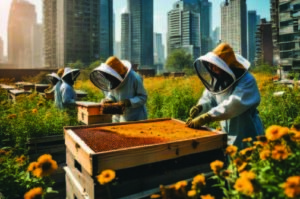
Urban beekeeping transforms city spaces into thriving ecosystems, supporting biodiversity, pollination, and local food production. From rooftops to community gardens, it reconnects people with nature while promoting sustainability and environmental awareness.
Beeswax is a versatile, natural material used in sustainable products like food wraps, cosmetics, and candles. Renewable and biodegradable, it supports eco-friendly living while highlighting the value of responsible and ethical beekeeping practices for a greener future.
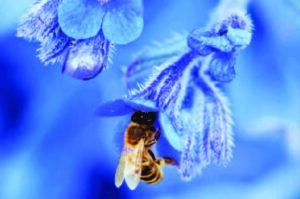
Bees are essential pollinators that support food production, biodiversity, and healthy ecosystems. Facing threats from habitat loss, pesticides, and climate change, they need our protection to ensure a sustainable future for generations to come.

Organic honey offers richer flavor, natural nutrients, and supports sustainable beekeeping. Unlike heavily processed commercial honey, it preserves nature’s goodness while promoting healthier bees, biodiversity, and responsible agriculture.