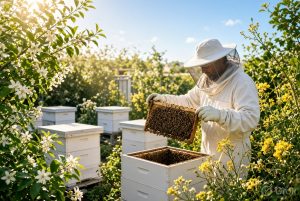
Spring Beekeeping Checklist for Sydney 2026: Avoid Swarming & Build Strong Colonies
Spring beekeeping guide for Sydney: inspection checklist, Varroa monitoring, swarm control, plus locally raised nucs for sale from Quakers Hill and raw spring honey.


Spring beekeeping guide for Sydney: inspection checklist, Varroa monitoring, swarm control, plus locally raised nucs for sale from Quakers Hill and raw spring honey.
These winter beekeeping tips matter more than most Sydney beekeepers realise. Most Sydney beekeepers breathe a sigh of relief when summer ends. The swarming season
Apiary Intelligence · Colony Management · NSW Beekeeping Winter Colony Collapse in NSW:What Kills Hives & How to Come Back Stronger This Spring Understanding the
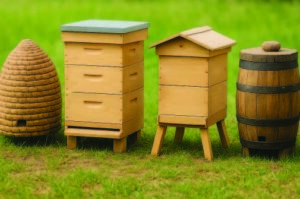
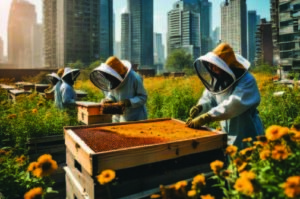
Urban beekeeping transforms city spaces into thriving ecosystems, supporting biodiversity, pollination, and local food production. From rooftops to community gardens, it reconnects people with nature while promoting sustainability and environmental awareness.
Beeswax is a versatile, natural material used in sustainable products like food wraps, cosmetics, and candles. Renewable and biodegradable, it supports eco-friendly living while highlighting the value of responsible and ethical beekeeping practices for a greener future.
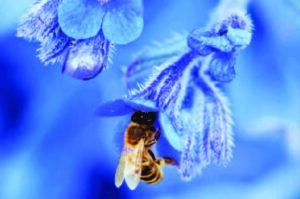
Bees are essential pollinators that support food production, biodiversity, and healthy ecosystems. Facing threats from habitat loss, pesticides, and climate change, they need our protection to ensure a sustainable future for generations to come.