Why Winter Matters More Than You Think
These winter beekeeping tips matter more than most Sydney beekeepers realise. Most Sydney beekeepers breathe a sigh of relief when summer ends. The swarming season


This is our spring beekeeping Sydney guide for 2026, covering the busiest ten weeks on the apiary calendar. From early September the days lengthen, nectar and pollen come back into the urban and bushland landscape, and colonies that limped through winter switch into full expansion mode. Get the next month right and you set up your honey crop for the year. Get it wrong and you lose half your bees to a swarm hanging in the neighbour’s tree.
This guide covers what Sydney beekeepers should be doing right now, why spring is the right time to start a new hive, and how to secure a nucleus colony (nuc) from our Quakers Hill apiary before the season’s allocation is gone.
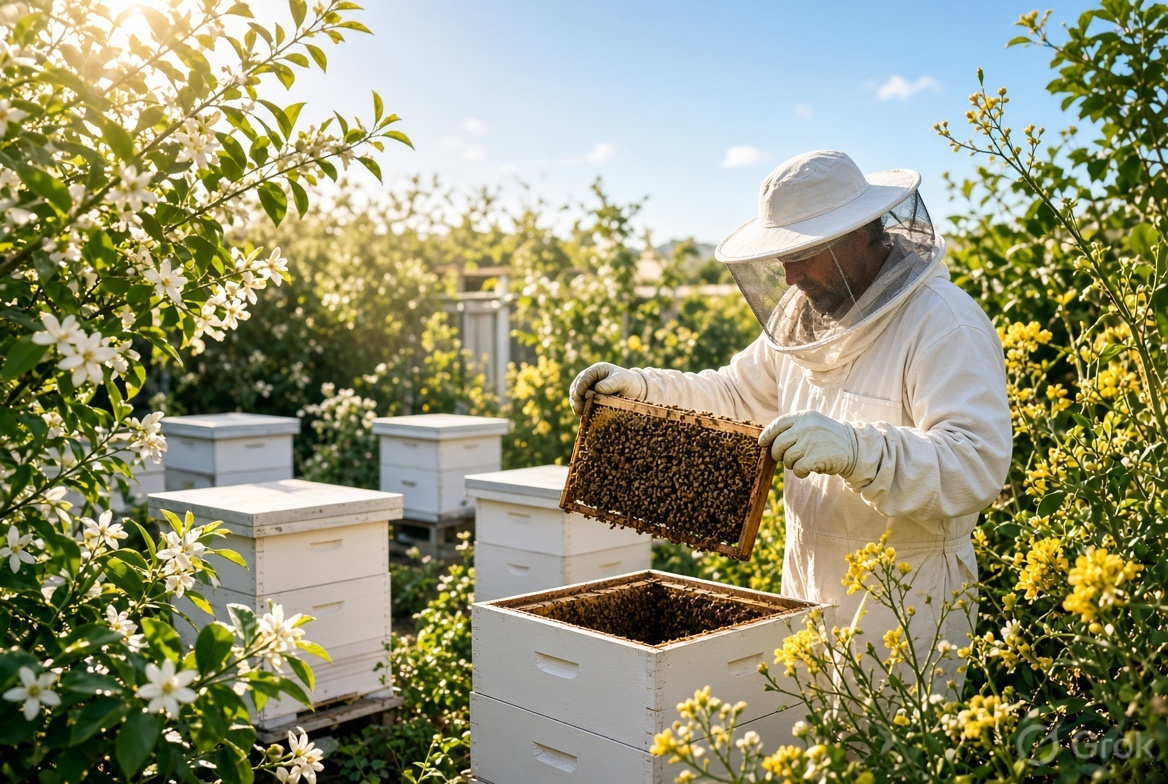
Sydney’s temperate coastal climate gives us an early and fast spring build-up. By September, backyard citrus, native shrubs and street trees are flowering, and the queen ramps her laying from a few hundred eggs a day to well over a thousand. A colony can double its population in three to four weeks.
That growth is exactly what produces a honey crop, but it also creates the two biggest spring risks: congestion that triggers swarming, and a Varroa mite population that grows alongside the brood. Both are manageable if you inspect on a schedule rather than when you get around to it.
Wait for a day above about 18°C with low wind. Confirm the queen is laying (eggs and young larvae in a tight pattern), check food stores, and remove any mouldy or damaged frames. If the colony has gone queenless or has a drone-laying queen over winter, decide early whether to requeen or combine, because a weak colony in spring only gets robbed.
Varroa is now established across NSW, and spring brood expansion is when mite numbers climb fastest. Do an alcohol wash of roughly 300 bees from a brood frame at the start of spring and again every four to six weeks. Record the count each time so you can see the trend, not just a single number, and treat according to the current NSW DPI Varroa guidance before mite loads compromise the summer bees. We stock a Varroa alcohol wash test kit in the shop.
When bees cover seven or eight of ten frames, add a super. Waiting until the box is packed wall to wall is the most common cause of swarming we see in backyard hives. Have your boxes and frames assembled and ready in August, not after the swarm has left.
Sydney’s swarm season peaks from September through November. Inspect every seven to ten days for queen cells along the bottom bars. If you find charged queen cells, splitting the colony is usually the cleanest response, and it gives you a second hive for the price of a new box.
Most Sydney colonies find enough forage from early September. Feed a light sugar syrup only if the hive is below a frame or two of stores and the weather turns cold and wet for more than a few days. Stop feeding well before you put honey supers on, otherwise you are harvesting syrup, not honey.
Every beekeeper in NSW must be registered with the Department of Primary Industries and hives must carry the registered brand. Registration is a legal requirement and it is also a condition of buying bees from us, so sort it before you order a nuc.
Spring is the best time to start a colony because a nuc installed in September or October has the entire flow ahead of it to build into a full-strength hive before its first winter. Sydney Bees supplies locally raised nucleus colonies from our Quakers Hill apiary, and this season we are supplying more than 50 nucs, so there is stock available, but spring allocations do sell through.
Every colony is checked for a laying queen and brood health before it leaves the apiary. Pickup is by appointment from Quakers Hill or Kurrajong Heights, and we coordinate a collection time with each customer directly, including after-hours, because bees travel best in the cool of the evening or early morning. Full terms are on our nuc terms page.
To secure your colony, order online and we will contact you to arrange collection. If you are unsure which size suits your setup, get in touch and we will give you a straight answer.
Spring honey in Sydney is typically lighter in colour and more floral than the darker eucalypt honeys of late summer, because it is drawn from a mix of urban garden, citrus and early native blossom. It is also the first honey most beekeepers will pull after the winter gap.
Our Sydney Bees raw honey is extracted cold and left unfiltered and unheated, so the pollen, enzymes and flavour of the local flora stay in the jar. If you have ever wondered why a supermarket squeeze bottle tastes flat by comparison, our post on organic versus commercial honey explains what happens between the hive and the shelf.
Many NSW beekeepers came out of winter with fewer colonies than they went in with. We were no exception, and we wrote about it in Winter Colony Collapse in NSW. The good news is that spring is the season that rewards a rebuild. Strong nucs, timed splits and disciplined Varroa monitoring turn a handful of survivors into a productive apiary by summer. If you lost hives this winter, a spring nuc is the fastest route back.
If you would rather watch spring beekeeping Sydney professionals do it before you attempt it on your own hive, our Spend a Day with the Bees workshop runs at the apiary in Quakers Hill. You will open hives, find the queen, read a brood frame and see how we assess a colony for Varroa. We also provide pollination services for growers in the Sydney basin who need hives placed for spring crops.
September to November is ideal. The earlier in spring you install a nuc, the more of the season’s flow it has to build up before winter.
Every seven to ten days during swarm season, and every four to six weeks for a Varroa mite count.
Yes. NSW DPI beekeeper registration is mandatory for anyone keeping bees in NSW, including a single backyard hive. We will not supply a nuc without a registration number.
Quakers Hill or Kurrajong Heights, by appointment. We arrange the time with you directly once your order is placed.
Ready for spring beekeeping Sydney season? Order your nucleus colony, stock up on raw Sydney honey, or contact Sydney Bees to talk through your setup.
These winter beekeeping tips matter more than most Sydney beekeepers realise. Most Sydney beekeepers breathe a sigh of relief when summer ends. The swarming season
Apiary Intelligence · Colony Management · NSW Beekeeping Winter Colony Collapse in NSW:What Kills Hives & How to Come Back Stronger This Spring Understanding the
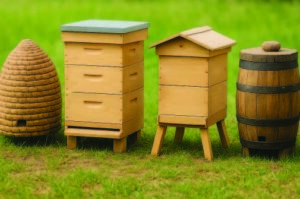
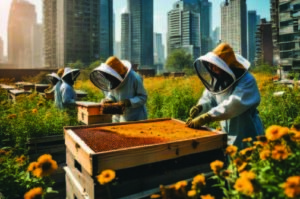
Urban beekeeping transforms city spaces into thriving ecosystems, supporting biodiversity, pollination, and local food production. From rooftops to community gardens, it reconnects people with nature while promoting sustainability and environmental awareness.
Beeswax is a versatile, natural material used in sustainable products like food wraps, cosmetics, and candles. Renewable and biodegradable, it supports eco-friendly living while highlighting the value of responsible and ethical beekeeping practices for a greener future.
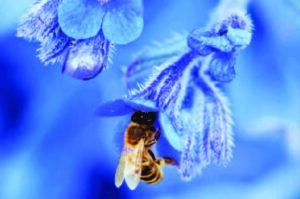
Bees are essential pollinators that support food production, biodiversity, and healthy ecosystems. Facing threats from habitat loss, pesticides, and climate change, they need our protection to ensure a sustainable future for generations to come.

Organic honey offers richer flavor, natural nutrients, and supports sustainable beekeeping. Unlike heavily processed commercial honey, it preserves nature’s goodness while promoting healthier bees, biodiversity, and responsible agriculture.